A decision in front of you
Plum Blossom I Ching
China’s book of change, still asked after millennia. Hand the stuck sentence to six lines.
Jian · Gradual Progress — not a leap
Write the question you’ve been turning over. A reading is guidance. What you do with it is still yours.
A decision in front of you
China’s book of change, still asked after millennia. Hand the stuck sentence to six lines.
Jian · Gradual Progress — not a leap
A decision in front of you
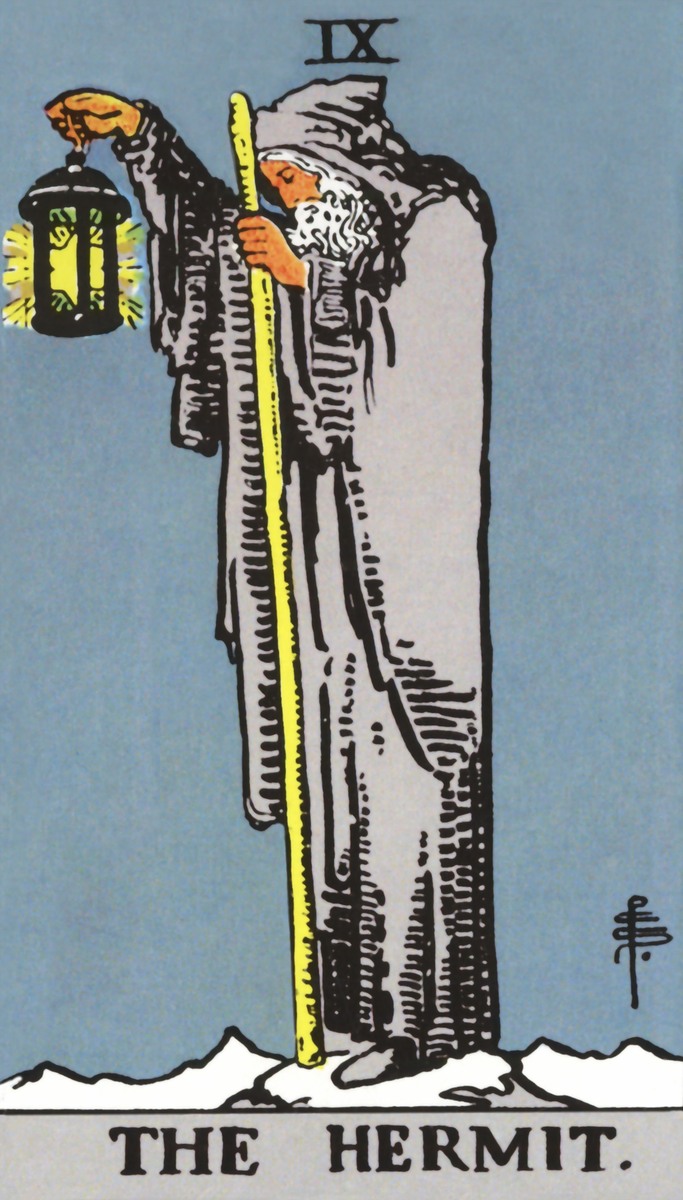
Past
The HermitReversed
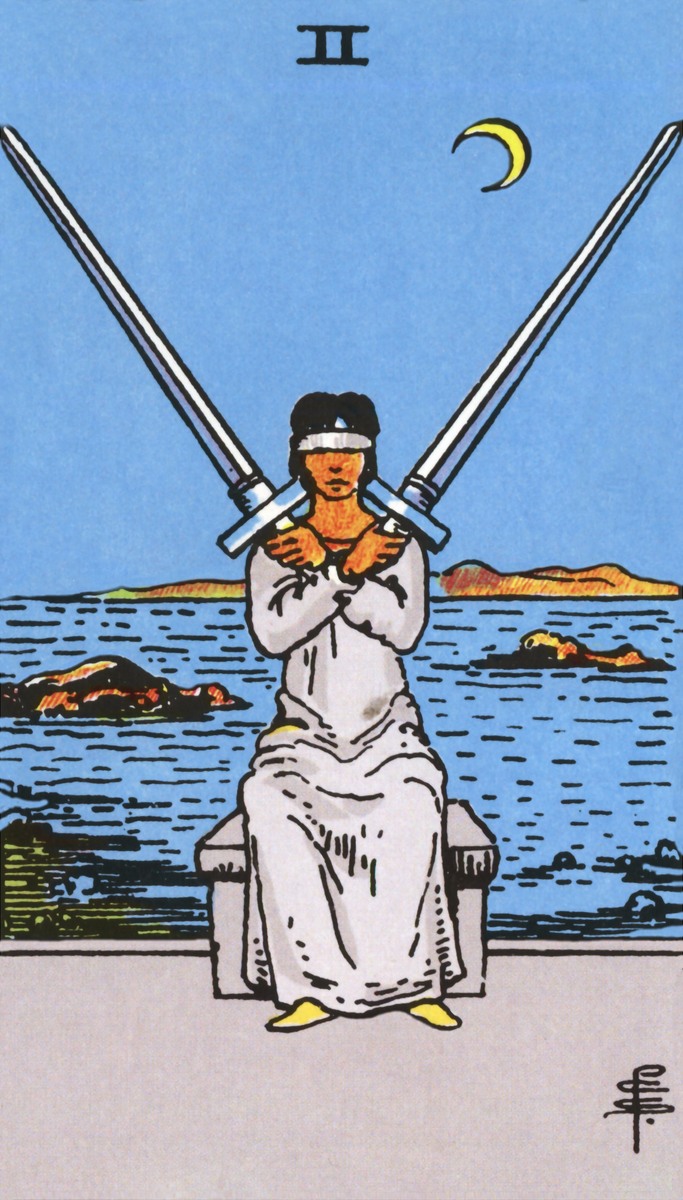
Present
Two of SwordsUpright
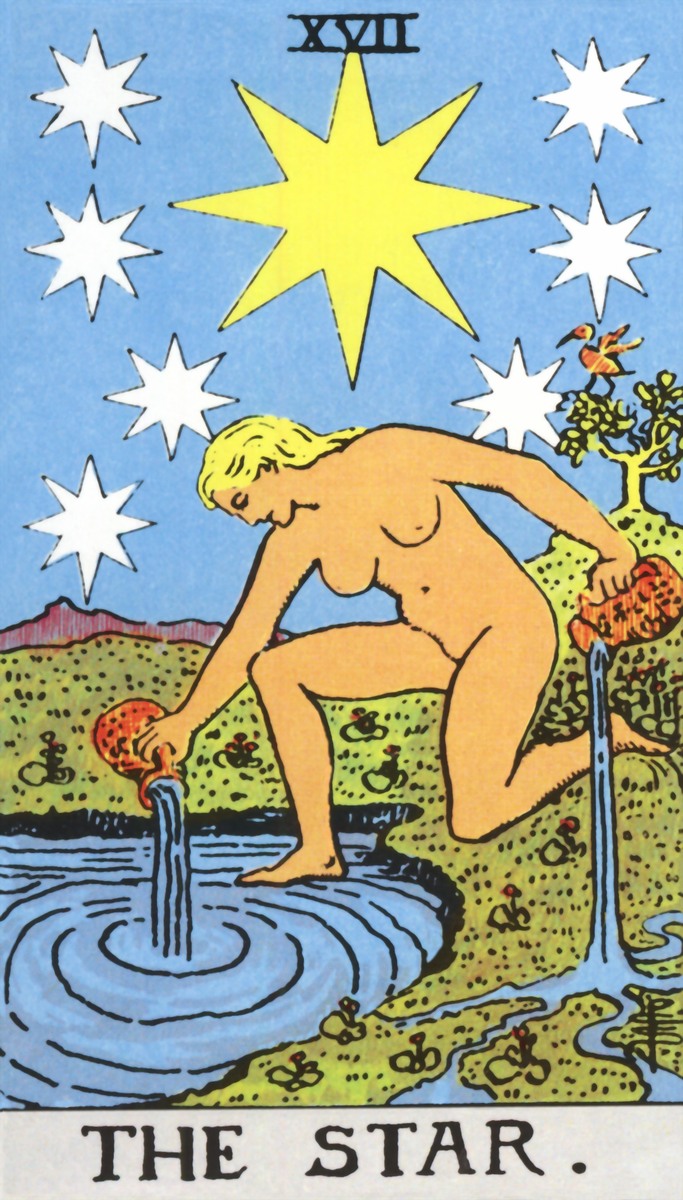
Future
The StarUpright
European cards, a question drawn as pictures. Three plates you can sit with — not a daily column.
One card · three-card past / present / future · 1909 Rider–Waite–Smith (public domain)
The shape of a life
A Chinese natal from Song–Ming. Twelve palaces: gift and live wire. A stage, not an ending.
Open promo: get the full reading and the year report with no credits. Through October 31, 2026
The shape of a life
Mediterranean natal, about two thousand years. The sign you name is the Sun; the useful chart is a person.
Sun in Cancer · Moon in Scorpio · rising needs minutes
The shape of a life
India’s Jyotish. Same birth, which years are running — not only who you are.
Lagna Leo · Moon Cancer · Pushya
This relationship
Sample · You and Alex
Dinner is easy. Ask “what are we” once, and he checks his phone.
Does this last. Married: house, parents, money — can you still talk.
Approaching
Living it
No. We are a guide, not the road. A reading doesn't predict what will happen. It gives you a structured frame — drawn from a 3,000-year-old text on change — to think through a decision more clearly. What you do with it is still yours.
If you've linked a chart, it calibrates tone, timing, and which topics feel timely right now — never the verdict. The cast still answers your question; the chart is only the setting it's answered in.
No. Same birth record, two systems. Zi Wei calibrates the hexagram's tone and timing, never the verdict. The Western natal chart does not change the hexagram; in a reading it can be consulted as another view of the same life. Rising and houses still need minutes and a city; a two-hour birth slot is not enough.
No. Same birth record, different zodiac. Vedic uses the sidereal Lahiri frame, whole-sign houses, nakshatra, and dasha periods. It does not change the hexagram. Lagna still needs minutes and a city.
No. Same kind of question — a decision in front of you — two methods. A hexagram is cast from the moment you ask. A tarot spread is shuffled. One does not replace the other; a reading can consult both.
No. It reads two natal charts together — yours and one other person on your account. The stars are structure to work with. It does not say whether you match, and it is not a marriage match.
The hexagram is cast by a deterministic method from the moment you ask — no AI involved in the cast itself. An AI then interprets that hexagram against the classical texts and your question, in plain language.
Your readings and a short profile are stored so future readings can build on them. You can export or delete everything at any time. See the Privacy Policy for details.
No. Many people use it purely as a thinking tool — a structured prompt that surfaces angles, tensions, and costs they hadn't named yet. Take from it what's useful.
iYarrow is built on Meihua Yishu, an open-source divination engine by the same author — 183+ stars on GitHub. The interpretation logic is public; iYarrow is the hosted, no-setup version.