English
Tarot · Europe · a question drawn as cards
Spread this question into a picture you can sit with.
Tarot is this question, as cards — not next week’s luck.
The same conversation is on replay at night. Three pictures you can look at together.
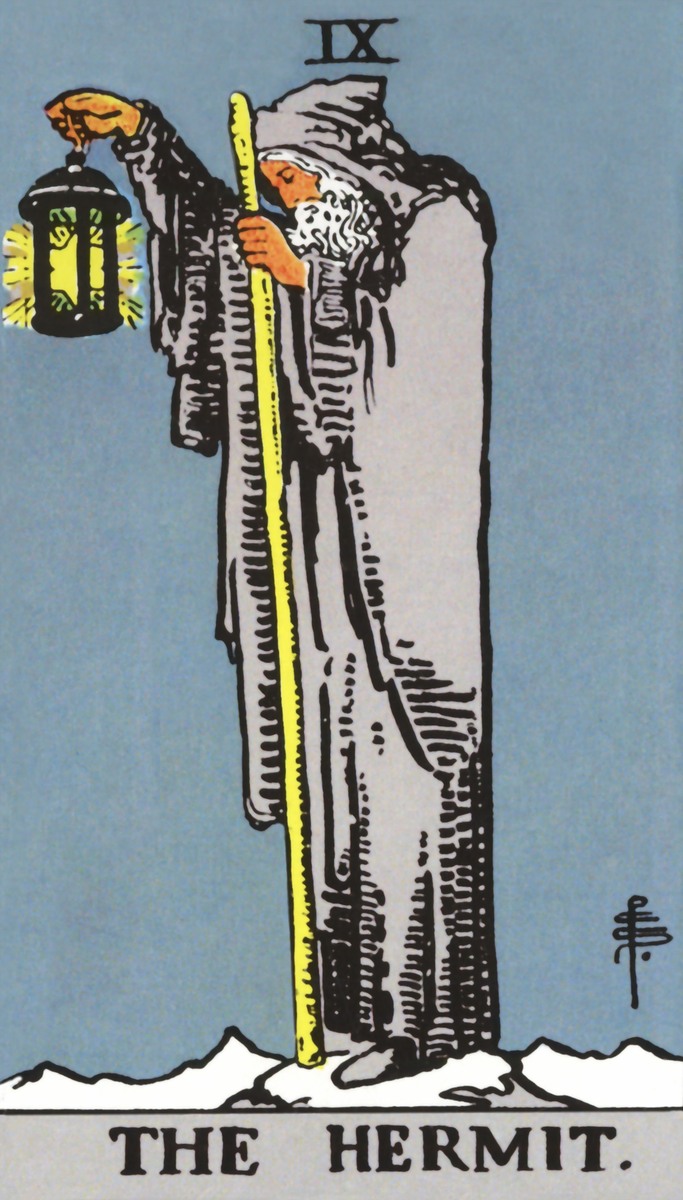
Past
The HermitReversed
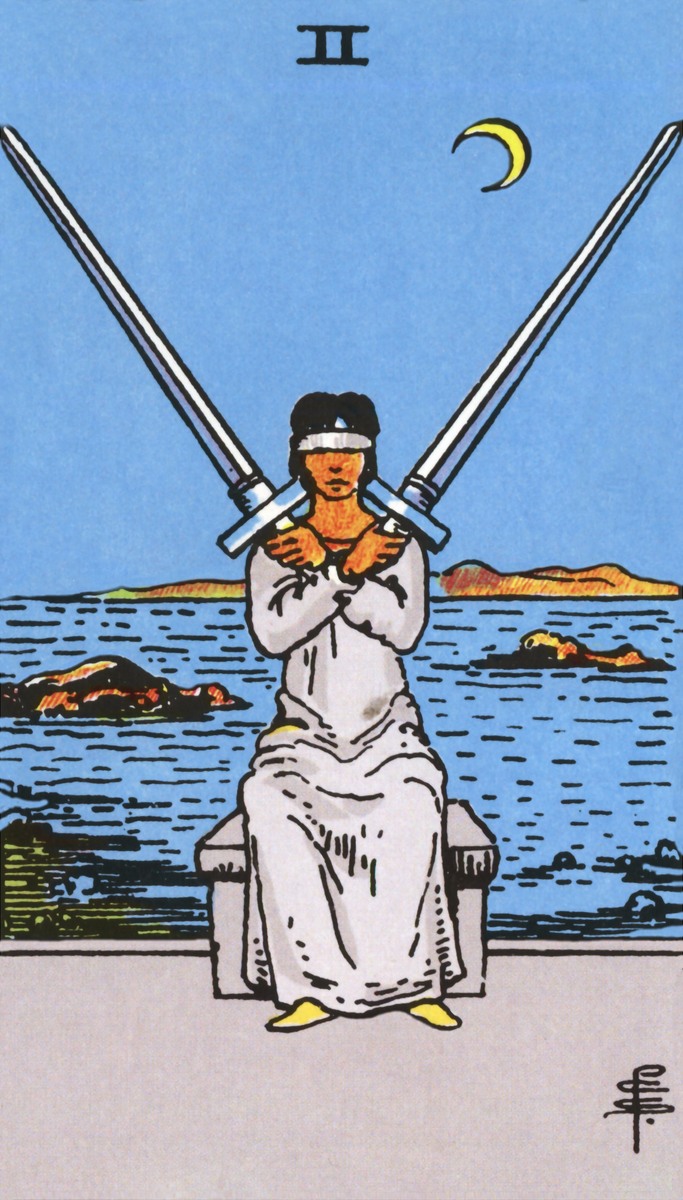
Present
Two of SwordsUpright
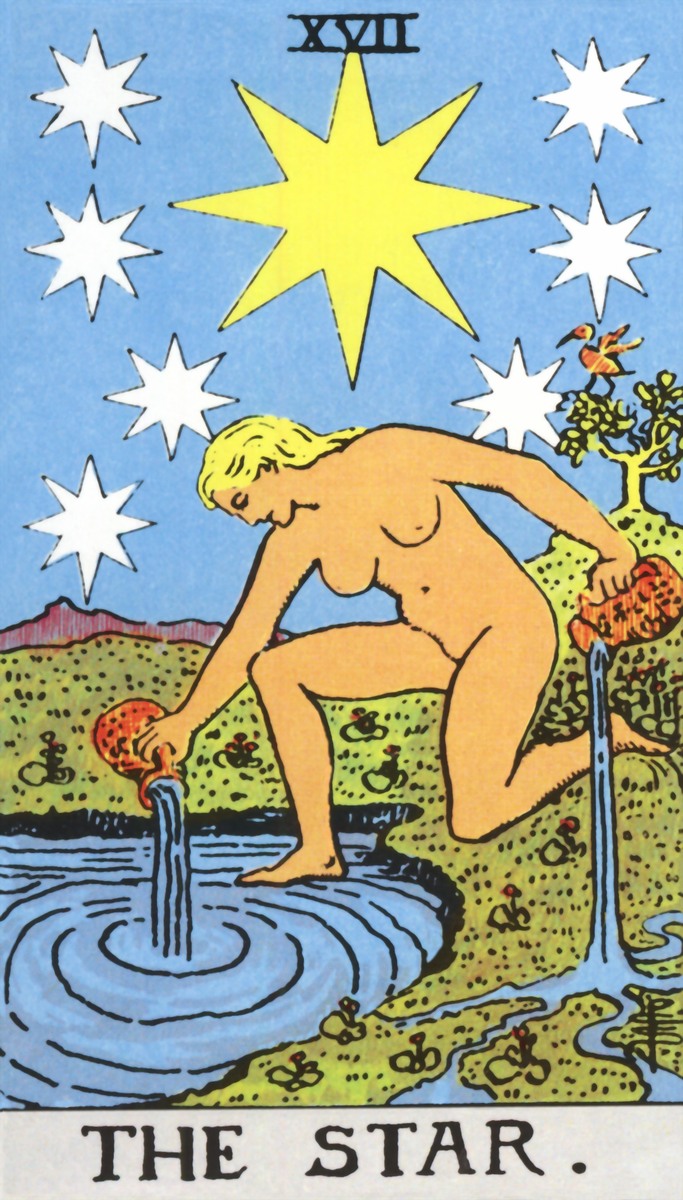
Future
The StarUpright
Past / present / future · Pamela Colman Smith, 1909, public domain
Where it comes from
Playing cards in fifteenth-century Italy; France in the eighteenth century started asking them questions. The deck here is the 1909 London Rider–Waite–Smith set: Waite wrote the meanings, Pamela Colman Smith drew every plate. People still draw because when a talk loops until midnight, three pictures will sit still.
What people use it for
He asked for three more months; you already gave him one. Name the sentence. Draw one card or three. What you do is still yours.
Give this question to the cards.
Name it. Pick one card or three. The plates stay when you ask a follow-up.
Fair questions
Is this a daily card?
No. It is not the card you pull with coffee in the morning. You ask a real question; the deck is shuffled once for that thread.
Is tarot the same as a hexagram?
No. Same kind of stuck — a decision in front of you — two methods. A hexagram is cast from the moment you ask. A tarot spread is shuffled. Neither enters the other.
Why Rider–Waite–Smith?
The 1909 plates and Waite’s 1910 book are public domain, so the art and the keyed meanings can sit in the open. Later decks we cannot ship.